



Advisory Services
Only when sales and marketing operate in alignment with the needs of the buyer can they drive sustainable short- and long-term revenue. Our advisors help ensure these two critical functions provide the buyer with the right information and right behaviors at each point in the buying process — to lower your cost of sales and increase your efficiency.
Learn More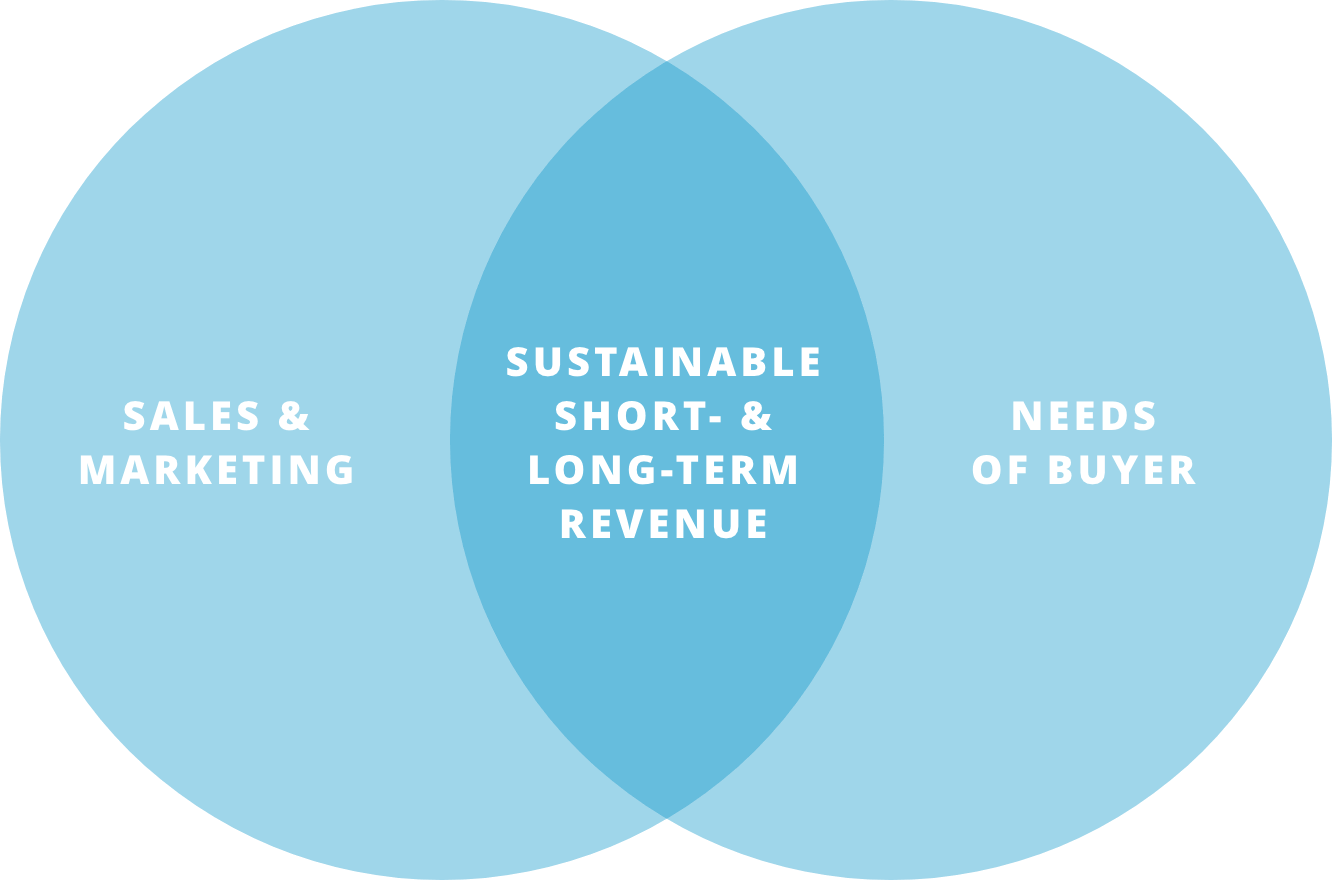

Revenue Operations
For select advisory clients, we provide operational services to implement the strategic plans we create together. Because a plan is of little value without effective execution. We help you drive new revenue through two groups: Revenue Operations and Creative Operations.
Learn MoreCreative Operations
For a select few clients, we offer award-winning creative services to fulfill the promise of the strategic plan. This work includes everything from the production of television commercials and short films to renaming and rebranding entire organizations.
Learn More


Speed to initial sales improvement
Every client we’ve ever worked with, even clients in need of a significant overhaul of their sales and marketing functions, expected immediate results. We get that. Long-term growth in profitability is often impossible without short-term improvements in cash flow. We’ll help you plan for both.
- Short-term Improvements
- Accelerated Long-Term Transformation

Our Work
-
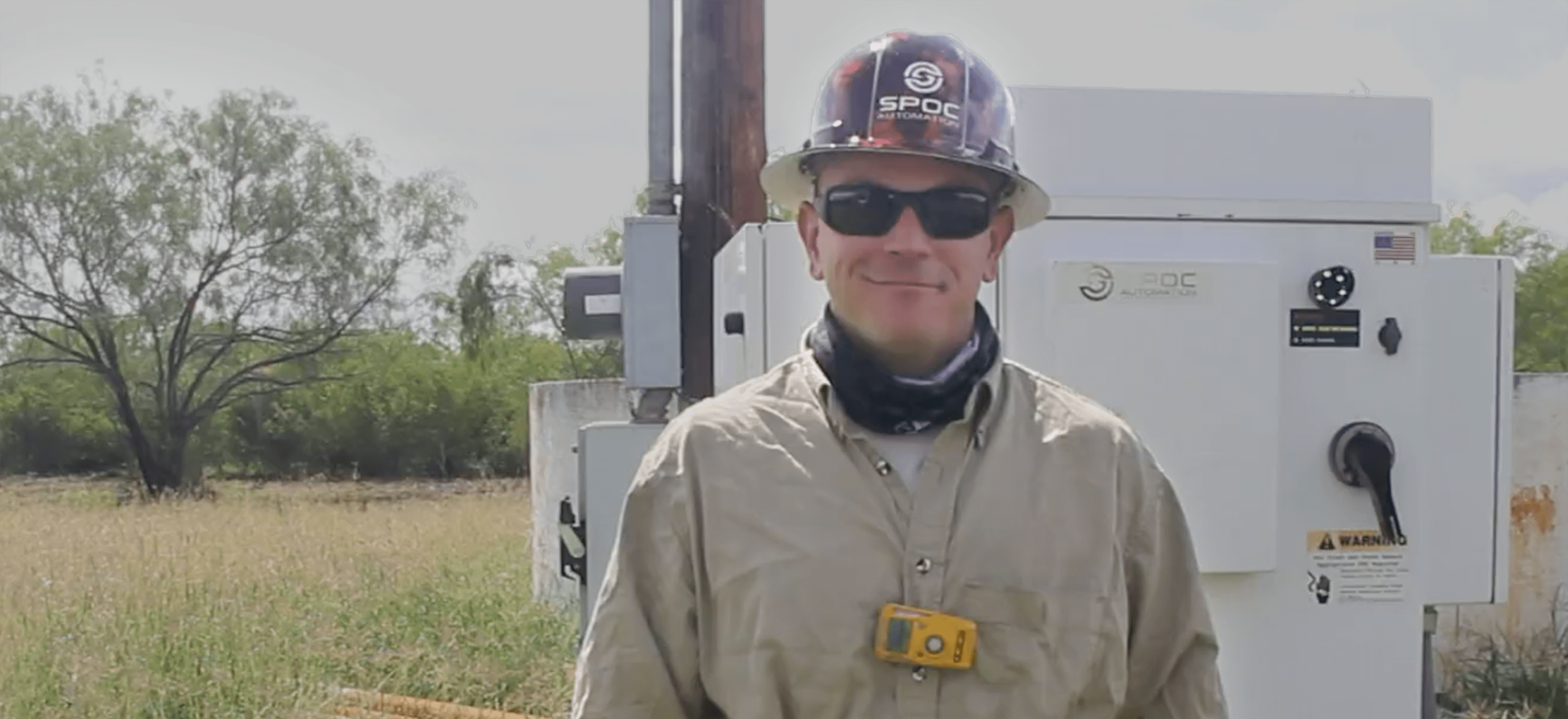 SPOC Automation: Two-Minute Drives
-
 BBVA Compass Smart Pursuits
“Yes, the results were good. As usual, you did outstanding work for us.”
BBVA Compass Smart Pursuits
“Yes, the results were good. As usual, you did outstanding work for us.”
-
 OHD “Wake the Dead”
For each dollar spent, OHD earned $22.65
OHD “Wake the Dead”
For each dollar spent, OHD earned $22.65
Let’s Connect
Creating alignment of your sales and marketing, centered on the needs of your customers and prospects, is the surest way to create sustainable, long-term growth. Let’s talk about how that looks for your company.